
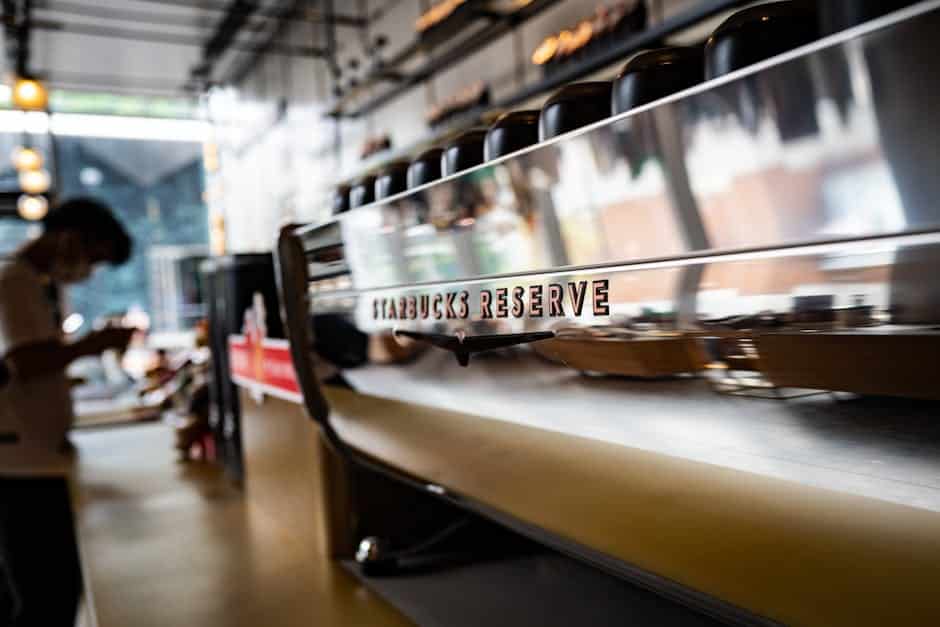
The Starbucks application process is entirely online in 2026 — all positions require submitting through the official Starbucks careers portal. Whether you are applying to be a barista at your local store or exploring corporate and leadership roles, this guide walks you through every step of the process, including what to expect at the interview, what Starbucks looks for in candidates, and how to stand out from the thousands of applications each location receives.
How to Apply for a Job at Starbucks
All Starbucks applications go through the official careers portal at careers.starbucks.com. You can no longer drop a resume off at a store or hand in a paper application. The online process takes approximately 15-20 minutes for entry-level barista roles. Here is exactly how to apply:
- Go to careers.starbucks.com and click “Find a Job.”
- Enter your city, state, or zip code to search for openings near you.
- Select the position you want — barista, shift supervisor, store manager, or corporate.
- Create a free account or log in if you already have one.
- Complete the application form, upload your resume, and answer any required questions.
- Submit your application. Most applicants hear back within 1-2 weeks.
Starbucks also lists open positions on Indeed, LinkedIn, and Glassdoor — but all of these links redirect to the official careers portal for the actual application. Applying directly through careers.starbucks.com is the most reliable method and ensures your application reaches the store’s hiring team without going through a third-party system.
Starbucks Job Positions Available
Starbucks hires across three main categories: retail store roles, corporate roles, and roasting and supply chain roles. Most people applying are interested in store-level positions, which range from entry-level barista to store manager. Here is a breakdown of each category.
| Position | Type | Experience Required |
|---|---|---|
| Barista | Store / Hourly | None — full training provided |
| Shift Supervisor | Store / Hourly | 6-12 months barista experience preferred |
| Assistant Store Manager | Store / Salaried | 1-2 years management experience |
| Store Manager | Store / Salaried | 3+ years retail management experience |
| District Manager | Store / Salaried | 5+ years multi-unit management |
| Corporate Roles | Corporate / Various | Varies by function |
| Roasting Plant / Supply Chain | Operations / Hourly | Varies by role |
Barista is the most commonly hired role and has no experience requirement. Starbucks provides full paid training to all new baristas through its onboarding program, which covers every drink on the menu, food safety, and customer service standards. If you are applying for your first job, barista is one of the most accessible entry points in food service.
Starbucks Application Requirements
Most entry-level Starbucks barista positions have very few formal requirements. You must be at least 16 years old in most states. No prior work experience is required for the barista role. You need eligibility to work in the United States and the availability to work a mix of morning, evening, and weekend shifts.
Starbucks accepts candidates from all backgrounds and actively promotes inclusive hiring. The company considers applicants with criminal histories where legally permitted. It does not conduct pre-employment drug tests for barista or shift supervisor roles, which makes the application accessible for a broader range of candidates than many food service employers.
- Minimum age: 16 for most store positions
- Work authorization: Must be eligible to work in the U.S.
- Experience: Not required for barista roles
- Availability: Mornings, evenings, weekends, and some holidays preferred
- Drug test: Not required for barista or shift supervisor positions
What Starbucks Looks for in Applicants
Starbucks calls its employees “partners,” and this language reflects a genuine company philosophy — Starbucks wants people who see the role as more than just a job. In practical terms, this means hiring managers look for candidates who demonstrate warmth, genuine enthusiasm for customer connection, and the kind of positive energy that fits the brand’s culture.
The most important quality Starbucks looks for is the ability to connect authentically with customers. This does not mean being a coffee expert — it means being the kind of person who makes someone’s morning a little better. Reliability, a willingness to learn, and comfort in a fast-paced environment round out the qualities that move applications forward. Strong availability — particularly mornings and weekends — also significantly improves your chances of getting a callback.
Starbucks Interview Process
The Starbucks interview process for store-level roles is typically one in-person or virtual conversation with the store manager or assistant manager. It is designed to be conversational and low-pressure. The average interview lasts 15-30 minutes. Most locations offer job offers within 1-2 weeks of the initial application.
Some locations also include a Virtual Job Tryout as part of the application — a short online assessment that presents situational scenarios and asks you to choose how you would respond. Answer honestly based on a genuine customer-first mindset. The assessment is not designed to trick you — it measures whether your instincts align with the brand’s service values.
- Online Application — Submit through careers.starbucks.com. Include your availability clearly.
- Virtual Job Tryout — Short online situational assessment. Takes approximately 20-30 minutes.
- Phone or Video Screen — Brief conversation with a recruiter or manager to confirm interest and availability.
- In-Person Interview — One conversation with the store manager. Conversational and focused on customer connection, teamwork, and availability.
- Job Offer — Many stores make offers the same day or within a few days of the interview.
- Orientation — Paid training covering Starbucks culture, food safety, and barista station basics.
Common Starbucks Interview Questions
Starbucks interviews focus on three core areas: customer connection, teamwork, and adaptability. Here are the most commonly reported questions from Glassdoor data collected from over 8,800 Starbucks interviews:
- “Tell me about yourself and what draws you to Starbucks.”
- “Describe a time you provided excellent customer service. What did you do?”
- “How do you handle a very busy or stressful environment?”
- “Tell me about a time you worked as part of a team to solve a problem.”
- “What would you do if a customer seemed unhappy but did not say anything?”
- “What is your availability? Can you work mornings and weekends?”
- “Where do you see yourself in a year?”
Use the STAR method for behavioral questions: describe the Situation, your Task, the Action you took, and the Result you achieved. If this is your first job, draw on examples from school, sports, volunteering, or family responsibilities. Starbucks interviewers care about your instincts and attitude more than your resume history.
Starbucks Interview Tips
- Research the brand before you go — Know what a Pike Place Roast is, what the College Achievement Plan is, and what “partner” means. Showing genuine familiarity with Starbucks signals real interest.
- Dress smart casual — Clean dark jeans and a collared shirt or blouse. You do not need to overdress, but you should look neat and intentional.
- Emphasize availability — Morning rush shifts (5-11am) are the hardest to staff. The more flexible and available you are, the stronger your candidacy.
- Show warmth in the room — The manager is imagining you behind the counter. Smile genuinely, make eye contact, and be personable from the first moment.
- Follow up the same day — A brief thank-you email or note after the interview shows professionalism and keeps your name fresh.
Starbucks Pay and Benefits Overview
Starbucks pays a company-wide minimum of $15/hr for all U.S. company-operated stores, with most markets starting baristas at $15-$18/hr. Tips add another $1-$2/hr on average. California and New York City locations pay $20-$24/hr due to state wage laws. For a complete breakdown of pay by position and state, see our Starbucks Salary Guide.
What makes Starbucks genuinely stand out as an employer is the benefits package — particularly for part-time workers. Partners averaging 20 or more hours per week qualify for medical, dental, and vision coverage. The Starbucks College Achievement Plan covers 100% of tuition for an online bachelor’s degree through Arizona State University. Bean Stock grants give eligible partners actual equity ownership in the company. These benefits are available to hourly baristas, not just managers — which is exceptionally rare in food service.
What to Expect Your First Week at Starbucks
Your first week at Starbucks is almost entirely focused on learning. You will spend the majority of your early shifts on bar training — learning how to build every drink category correctly, from lattes and cappuccinos to Frappuccinos and cold brew variations. Most new baristas feel overwhelmed during the first few days, and this is completely normal. The drink menu is genuinely complex. The training system is designed to build your skills progressively rather than throwing everything at you on day one.
Starbucks uses a structured onboarding program that pairs every new partner with an experienced trainer. You will not be left to figure things out on your own. You will also complete required food safety certification modules during your first week, learn how to operate the point-of-sale system, and get familiar with the daily opening and closing routines. By the end of your second week, most new baristas can handle standard drink orders independently with support nearby. By the end of your first month, you should feel comfortable across the full menu.
Starbucks vs Other Coffee and Fast Food Employers
Starbucks is consistently ranked as one of the best entry-level employers in the food and beverage sector. Compared to Dunkin’, Panera, and McDonald’s, Starbucks offers higher base pay, stronger part-time benefits, and a more positive team culture in most markets. The learning curve is steeper — the drink menu is complex and the morning rush is intense — but the training is thorough and the pay ceiling is higher.
For those considering Starbucks versus a general retail job at Target or Walmart, pay is roughly comparable at the entry level. Starbucks’s part-time health benefits and free college tuition tip the total compensation picture significantly in its favor for those who value those benefits. If you want an application guide for other popular employers, see our full list of job application guides.
Frequently Asked Questions
How old do you have to be to work at Starbucks?
You must be at least 16 years old for most store positions. Some states allow younger workers with restrictions, but 16 is the standard minimum.
Does Starbucks hire with no experience?
Yes — the barista position has no experience requirement. Starbucks provides full paid training to all new hires through its onboarding program.
How long does the Starbucks hiring process take?
Most applicants receive a response within 1-2 weeks. Some locations move faster, particularly during high-demand hiring periods.
Does Starbucks drug test?
Starbucks does not conduct pre-employment drug tests for barista or shift supervisor positions.
Can I apply to multiple Starbucks locations?
Yes — Starbucks actively encourages applicants to apply to multiple nearby locations to maximize their chances. Each store hires independently.
What is the difference between a company Starbucks and a licensed Starbucks?
Company-operated stores are owned and managed by Starbucks. Licensed locations inside Target stores, airports, and universities are operated by third parties. Benefits, pay, and hiring processes differ between the two. Company stores offer the full benefits package including health insurance and Bean Stock.
Managing Your Money at Your New Starbucks Job
Landing a barista role is a great first step. Managing your earnings well — including tips, weekly schedules, and your Bean Stock grants — matters just as much as earning them. Visit financebyclaude.com for budgeting guides, saving tips, and personal finance resources built for people starting their first or next job.
Related Application Guides
- McDonald’s Application and Careers Guide
- Target Application and Careers Guide
- Applebees Application and Careers Guide
- PeopleReady (Labor Ready) Application Guide
- How to Ace Your First Job Interview