
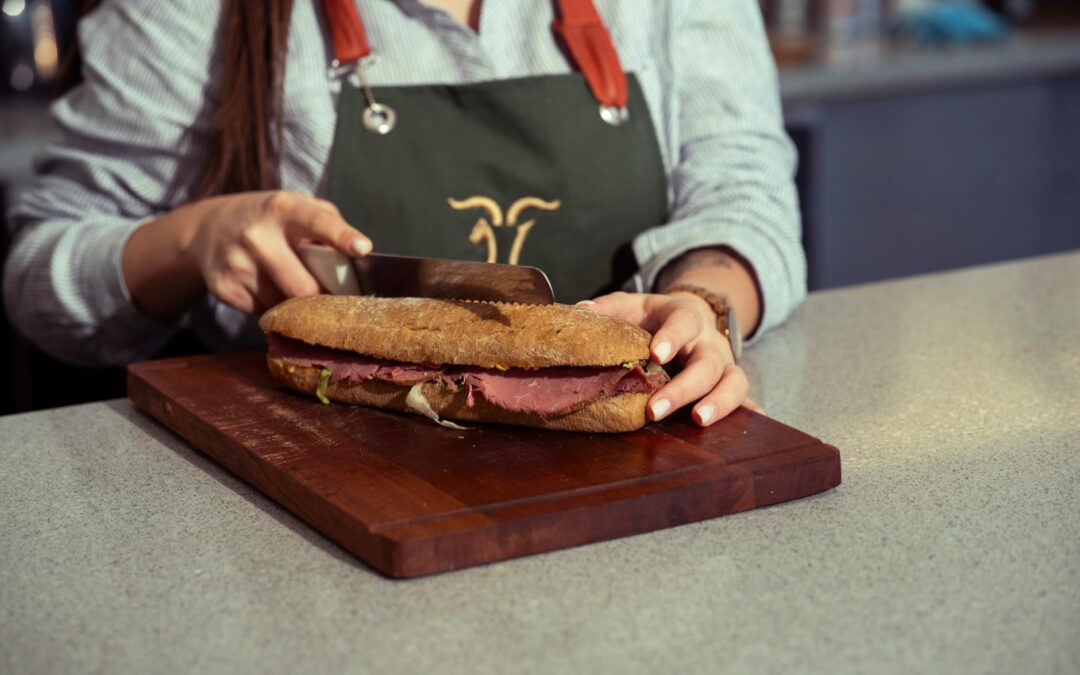
Subway is one of the most widely recognized fast-food chains in the world. It operates approximately 21,000 locations in the United States alone. Nearly every one of those locations is franchise-owned. That fact is the single most important thing to understand about Subway pay. Your wages, raise schedule, and benefits depend almost entirely on the specific franchise owner who runs your store. This guide explains what Subway pays across its main positions in 2026, what drives the wide variation in pay, and how to position yourself to earn more.
How Much Does Subway Pay?
Subway pay varies more than most fast-food chains because of its high franchise ownership rate. ZipRecruiter data from April 2026 puts the average Subway Sandwich Artist annual salary at $25,853, or approximately $12.43 per hour. Glassdoor data from the same period shows Sandwich Artists earning between $18 and $23 per hour based on employee-reported figures. That wide gap reflects the difference between low-wage markets with minimal franchise investment and high-wage states like California where wage floors push all fast-food pay higher.
The national average for Subway team members sits at approximately $11.93 per hour per ZipRecruiter data from March 2026. In California, fast-food minimum wage laws push starting rates significantly higher. In states like Texas, Tennessee, and Georgia, starting pay tends to track closer to the state minimum wage. The franchise owner’s investment level, store volume, and local competition for workers all shape where your specific store lands within that range.
Subway Pay by Position
Here is a breakdown of pay by role at Subway in 2026.
Sandwich Artist
Sandwich Artist is Subway’s branded title for the entry-level crew member role. Sandwich Artists build custom orders for customers at the counter, prep ingredients before shifts, maintain food safety standards, clean equipment and workstations, and handle cash transactions. The role requires speed, accuracy, and a friendly customer service demeanor. Pay starts between $12 and $14 per hour at most US locations. High-wage state locations start higher. California Subway locations typically start at or above $20 per hour due to the state’s fast-food minimum wage floor. Experienced Sandwich Artists with one to two years of tenure at the same franchise location can expect to earn $13 to $16 per hour in most markets.
Shift Manager
Shift Managers run Subway operations during a specific shift. They supervise Sandwich Artists, handle customer complaints, count cash drawers, ensure food safety compliance, and maintain store cleanliness standards. This role is the natural next step for strong Sandwich Artists who show reliability and leadership potential. Most Shift Managers are promoted from within rather than hired externally. Pay for Shift Managers typically ranges from $14 to $17 per hour nationally. Some high-volume franchise locations pay slightly above that range for experienced managers who can run the store independently.
Assistant Manager
Assistant Managers support the Store Manager in scheduling, inventory ordering, vendor relationships, staff training, and daily financial reporting. Not all Subway locations have a formal Assistant Manager role — it depends on the size and volume of the franchise. Where the role exists, pay is generally between $15 and $19 per hour or transitions to a modest salaried structure around $30,000 to $38,000 annually.
Store Manager
Store Managers carry full operational responsibility for a single Subway franchise location. They hire and schedule the team, manage the store budget, control food costs, maintain brand standards, and handle vendor orders. Compensation varies significantly by franchise. Most Store Manager salaries fall between $35,000 and $50,000 annually. High-volume locations in competitive markets can push that range higher. Some large multi-unit franchise operators pay Store Managers a salary plus a performance bonus tied to the location’s financial results.
Area Manager and Multi-Unit Roles
Larger Subway franchise operators who own multiple locations hire Area Managers to oversee a portfolio of stores. These roles are not technically Subway corporate positions — they are franchise operator jobs. Area Manager compensation varies widely by the size of the franchise group. Most Area Managers at medium-sized franchise operators earn between $50,000 and $70,000 annually. Large multi-unit operators can pay above that range. These roles are almost always filled from within the franchise operator’s existing Store Manager ranks.
What Affects Subway Pay
Franchise ownership is the primary driver of pay variation at Subway. Subway has one of the highest franchise rates in the fast-food industry. The corporate entity sets brand standards, menu requirements, and operational guidelines. But each franchise owner independently sets wages, benefits, and raise policies. A Subway in a well-run, high-volume location owned by an experienced multi-unit operator will often pay meaningfully more than a low-volume location owned by a single-store operator. Before accepting a Subway job offer, it is worth asking the hiring manager directly about the raise schedule, what the performance review process looks like, and whether the franchise offers any benefits beyond the meal discount.
State and local minimum wage laws set the floor. In California, Washington, and Colorado, those floors are significantly above the national average. In states with lower minimum wages, pay tends to cluster near the state minimum for entry-level roles. High-traffic locations — airport Subways, hospital Subways, and locations in dense urban centers — often pay a premium above standard rates because they require faster, higher-volume service and face more competition for workers.
Your availability also shapes your starting offer at many franchise locations. Subway stores operate from early morning through late evening at most locations. Workers who are available for opening shifts, closing shifts, and weekends are more valuable to a franchise owner trying to cover a full schedule with limited staff. Expressing broad availability during the application process often results in a better starting rate or faster consideration for a shift manager role.
Subway Benefits
Benefits at Subway are almost entirely determined by the franchise owner. Subway corporate does not mandate a benefits package for franchise employees. Some franchise operators provide health insurance, paid time off, and retirement savings options for full-time employees. Others offer only the meal discount and flexible scheduling. The meal discount is the most consistent benefit across the network — Sandwich Artists typically receive free or deeply discounted food during their shifts.
If benefits eligibility matters to you, ask the hiring manager directly what the franchise offers before accepting a position. Large multi-unit franchise operators are more likely to provide a formal benefits package than small single-store owners. For help managing your budget around a variable fast-food paycheck, visit financebyclaude.com for budgeting guides and financial planning tools built for hourly workers.
How Subway Pay Compares to Competitors
Subway’s entry-level pay is broadly comparable to Burger King and Taco Bell in most markets. All three chains start near or slightly above the state minimum wage for entry-level roles. McDonald’s and Wendy’s are comparable in most markets as well. Chick-fil-A consistently pays above the fast-food average, with many locations starting crew members at $15 to $18 per hour. Chipotle is the strongest competitor on entry-level pay, with most crew members starting between $16 and $20 per hour.
The key differentiator for Subway is the franchise variability. You could work at two Subway locations in the same city and earn meaningfully different wages depending on the franchise operator. That variability makes it worth doing a small amount of research before you apply to a specific location. Check employee reviews on Indeed or Glassdoor for your specific area to get a sense of how workers at nearby locations describe their pay experience.
Career Advancement at Subway
The career path at Subway moves from Sandwich Artist to Shift Manager to Store Manager. Each step brings a meaningful pay increase. Moving from Sandwich Artist to Shift Manager typically adds $2 to $4 per hour. Moving from Shift Manager to Store Manager transitions to a salary and adds $10,000 to $20,000 annually above hourly shift manager earnings. For workers interested in multi-unit management, the path continues into Area Manager roles at larger franchise groups.
Advancement speed at Subway depends heavily on the franchise operator. Some franchise owners actively develop their best team members and promote quickly when openings arise. Others run very stable teams with low turnover and promote infrequently. Asking about the advancement history of current managers during your interview is a useful way to gauge how a specific franchise operator handles promotion decisions.
Tips for Maximizing Your Pay at Subway
A few targeted steps can help you earn more at Subway. First, choose a high-volume location if possible. Busy stores generate more revenue for the franchise owner and often pay better than low-traffic locations. Airport, hospital, and dense urban Subways typically pay a premium. Second, express interest in the Shift Manager track from day one. Franchise owners who know you want to advance are more likely to give you leadership exposure and consider you when openings arise. Third, cross-train on every station quickly. Sandwich Artists who can handle prep, service, and closing duties independently are harder to replace and easier to promote. Fourth, be reliable. Consistency and punctuality are the qualities franchise managers mention most often when they describe who they promote. A mediocre performer who shows up every shift on time consistently outpaces a talented worker who calls out frequently.
Managing Your Subway Paycheck
Starting wages at Subway can be modest in many markets. Building strong budgeting habits from the beginning makes the most of every paycheck. Visit financebyclaude.com for budgeting tools, savings guides, and personal finance resources built for hourly fast-food workers at every pay level.
Related Salary Guides
Compare Subway pay with other major fast-food employers. Read our Burger King salary guide, Taco Bell salary guide, Starbucks salary guide, Chick-fil-A salary guide, and McDonald’s salary guide. For national wage data in the fast-food segment, see the Bureau of Labor Statistics Food Services page and the Department of Labor Wage and Hour Division.
Related Application Guides
Ready to apply? Read our guides to the Subway application, the Panera Bread application, the Jamba Juice application, and the Panda Express application for step-by-step hiring guidance at comparable fast-food and fast-casual employers.