
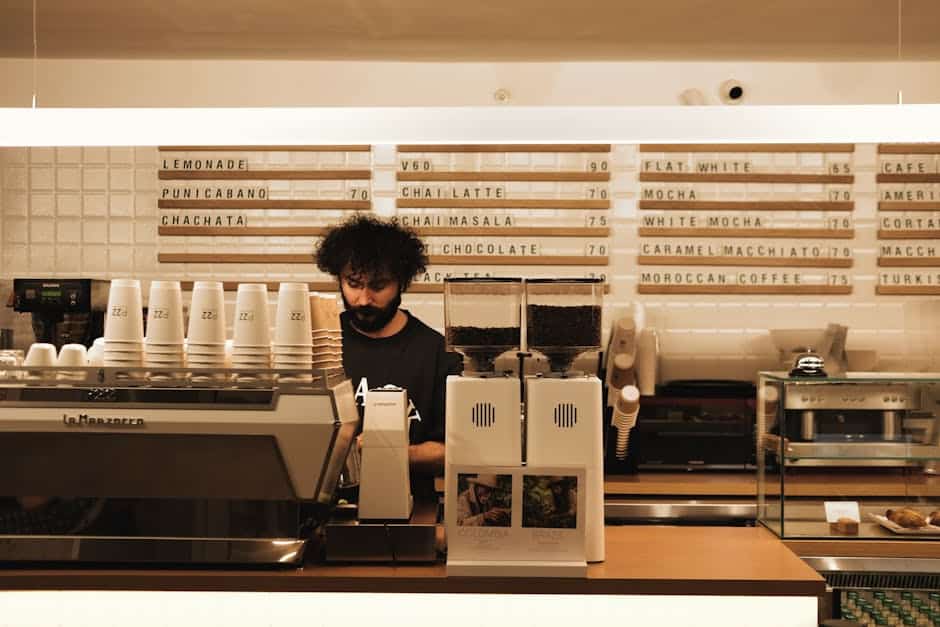
Wondering how much does Starbucks pay in 2026? Starbucks sets a company-wide minimum of $15/hr for all U.S. company-operated stores. In practice, most baristas earn between $17 and $19/hr once location premiums and experience increases are factored in. Tips add another $1-$2/hr on average. Furthermore, Starbucks offers one of the most generous benefits packages in food service — including medical coverage for part-time workers averaging just 20 hours per week. This complete guide covers Starbucks pay by position, state, tips, total compensation, benefits, and what the hiring process looks like.
Starbucks Hourly Pay by Position (2026)
Pay at Starbucks varies by role, location, experience, and tenure. The table below covers all major positions at U.S. company-operated stores. Licensed Starbucks locations — found inside Target stores, airports, grocery stores, and college campuses — are operated by third parties who set their own pay rates independently of Starbucks corporate.
| Position | Pay Range | Notes |
|---|---|---|
| Barista | $15-$24/hr | National average approximately $17-$18/hr |
| Barista (California) | $20-$24/hr | State minimum wage pushes pay significantly higher |
| Barista (New York City) | $22-$24/hr | Highly competitive labor market |
| Shift Supervisor | $18-$25/hr | Average approximately $20-$21/hr nationally |
| Assistant Store Manager | $50,000-$75,000/yr | Average approximately $60,000/yr |
| Store Manager | $55,000-$100,000/yr | Average approximately $75,000/yr including bonus |
| District Manager | $80,000-$130,000/yr | Oversees 8-10 stores; almost always promoted from within |
| Regional Director | $100,000-$150,000/yr | Oversees multiple districts |
Starbucks Pay by State
Location is the most important factor in a Starbucks barista’s base pay. Starbucks adjusts pay to reflect local cost of living and state minimum wage laws. In states with higher minimums, Starbucks pays well above its $15/hr floor.
California baristas average $20-$21/hr due to state wage laws and the highly competitive Bay Area labor market. Seattle — Starbucks’ hometown — also pays above average because of the city’s elevated minimum wage. In contrast, states like Alabama, Mississippi, and Georgia have no state minimum above the federal floor. There, Starbucks’ $15/hr company minimum serves as the effective starting rate — still well above most competing food service employers in those markets.
Each Starbucks job posting includes a location-specific pay range. Check current openings at starbucks.com/careers to see the exact range for stores near you. You can also check your state’s current minimum wage at the U.S. Department of Labor.
Starbucks Tips: What to Expect
Starbucks baristas receive tips through both the physical tip jar and the Starbucks app. Tips are pooled across all hourly partners working during a given period and distributed based on hours worked. This means every barista and shift supervisor shares in the total tips for their location.
On average, tips add $1-$2/hr to total take-home pay. A barista earning $17/hr base may effectively earn $18-$19/hr total. High-traffic urban locations with loyal customers generate larger tip pools than suburban or rural stores. Tip income fluctuates by shift — morning rush shifts at busy locations tend to generate the most tips, while late-night and slow-day shifts produce less.
How Starbucks Pay Compares to Competitors
Starbucks sits at the top of the coffee and fast-casual pay spectrum for hourly workers. According to the U.S. Bureau of Labor Statistics, the median hourly wage for fast food workers nationally is $14.60/hr. Starbucks’ national average of $17-$18/hr for baristas sits meaningfully above this benchmark.
Compared to direct coffee competitors, Starbucks pays more than Dunkin’ and Panera in most markets. Dutch Bros is competitive on base pay in its West Coast markets, but Starbucks’ benefits package — particularly medical coverage for part-time workers — remains unmatched across the coffee segment. When you factor in the free college tuition through Arizona State University, the total value of working at Starbucks is significantly higher than the hourly rate alone suggests.
Starbucks Employee Benefits
Starbucks offers one of the most comprehensive benefits packages for hourly workers anywhere in the food service industry. What makes it genuinely unusual is that most benefits are available to part-time partners who average just 20 or more hours per week — a threshold that most food service employers reserve for full-time employees.
- Medical, Dental, and Vision Insurance — Available to partners averaging 20+ hours/week. This is highly unusual for a food service employer. Most competitors require full-time status.
- Starbucks College Achievement Plan — 100% tuition coverage for an online bachelor’s degree through Arizona State University. Available to all eligible U.S. partners. Learn more at starbucks.asu.edu.
- Bean Stock — Annual restricted stock unit (RSU) grants for eligible partners. This gives Starbucks employees actual ownership in the company.
- Free Drinks and Food — One free food item and one handcrafted beverage per shift. Plus a free pound of coffee or tea to take home every week.
- 30% Employee Discount — On all Starbucks food and beverage purchases.
- 401(k) with Company Match — Available to eligible partners after one year of service.
- Paid Time Off — Vacation, sick time, and personal days for eligible partners.
- Partner Assistance Program — Free counseling sessions, financial planning support, and legal services for all partners.
Starbucks Career Growth Path
Starbucks promotes heavily from within. Most shift supervisors, assistant managers, and store managers started as baristas. The company invests significantly in partner development through formal training programs, and the career path is well-defined at every level.
The most common first promotion is from Barista to Shift Supervisor, which typically comes after 6-12 months of strong performance. Shift Supervisors who demonstrate leadership and operational excellence are the primary pipeline for Assistant Store Manager roles. From there, the path to Store Manager and District Manager is clear for those who pursue it.
- Barista — Entry point. Learn drink preparation, customer service, and store operations. Pay $15-$24/hr depending on market.
- Shift Supervisor — Manage the store during a shift, coach baristas, handle opening and closing. Pay $18-$25/hr.
- Assistant Store Manager — Support store operations and staff development under the Store Manager. Salary $50,000-$75,000/year.
- Store Manager — Full store P&L accountability. Salary $55,000-$100,000/year including performance bonus.
- District Manager — Oversee a portfolio of 8-10 stores. Salary $80,000-$130,000/year.
- Regional Director — Oversee multiple districts. Salary $100,000-$150,000/year.
Starbucks Hiring Process
Most Starbucks locations complete hiring within 1-2 weeks of application. The process begins with an online application at starbucks.com/careers. After submitting your application, you will typically receive a callback within a few days to schedule an interview.
Interviews at Starbucks are conversational and focus on customer service philosophy, teamwork, and your comfort with a fast-paced environment. Most locations conduct one in-person interview with the store manager or assistant manager. Starbucks does not conduct pre-employment drug tests for baristas or shift supervisors. No prior coffee experience is required — the company provides full training through its onboarding program, which covers every drink on the menu.
Common Starbucks Interview Questions
Starbucks interviews focus on customer connection, teamwork, and adaptability. The hiring manager wants to understand how you handle a fast-paced environment and whether you genuinely enjoy working with people. Here are the most commonly reported Starbucks interview questions:
- “Tell me about a time you provided excellent customer service.”
- “How do you handle a fast-paced, stressful environment?”
- “Describe a time you worked as part of a team to solve a problem.”
- “Why do you want to work at Starbucks?”
- “What is your availability? Can you work early mornings and weekends?”
- “Tell me about a time you received feedback and acted on it.”
Starbucks calls its employees “partners” — a reflection of the Bean Stock ownership program. In your interview, show genuine enthusiasm for the brand and customer connection. Use specific examples from past experience and keep your answers active and direct. The STAR method (Situation, Task, Action, Result) works well for behavioral questions.
Is Working at Starbucks Worth It?
For most entry-level job seekers, Starbucks ranks among the best options available. The combination of above-average base pay, tips, medical coverage for part-time workers, free college tuition, and Bean Stock equity is unmatched in the coffee and fast-casual segment.
The work is fast-paced and requires learning a complex menu. Morning rush periods are intense. That said, the training program is thorough, the team culture is generally positive, and the brand is one of the most recognized in the world. Many partners use the free degree program to build careers far beyond coffee.
Pros of Working at Starbucks
- Medical benefits for part-time workers — One of the only food service employers to offer this.
- Free college tuition — 100% coverage at Arizona State University for all eligible partners.
- Bean Stock equity — Annual stock grants give partners real ownership in the company.
- Free drinks every shift — Plus a weekly pound of coffee or tea to take home.
- Above-average base pay — National average $17-$18/hr, well above the fast food median.
- No experience required — Starbucks provides full training for all new baristas.
Cons of Working at Starbucks
- Fast-paced and complex — Learning the full Starbucks menu takes time and the morning rush is intense.
- Licensed location pay varies — Starbucks inside Target, airports, and universities are operated by third parties and may pay differently.
- Shift scheduling — Early morning shifts are common and may not suit everyone.
What to Expect Your First Week at Starbucks
Your first week at Starbucks focuses almost entirely on learning. You will spend the majority of your initial shifts on bar training — learning the order of operations for building every drink on the menu. The Starbucks menu is extensive, and most new partners feel overwhelmed during the first few days. This is completely normal. The training system is designed to get you functional on bar within one to two weeks, not on day one.
During your first week, you will also complete required food safety certification, learn the point-of-sale system, and get familiar with the store layout and team. Your manager will assign you a more experienced partner to shadow. Pay close attention and ask questions freely — Starbucks culture strongly encourages learning out loud, and no question is considered too basic during training. By the end of your first two weeks, most new baristas can handle a standard drink menu independently with support nearby.
Frequently Asked Questions
What is Starbucks starting pay?
$15/hr is the company-wide minimum. Most baristas start between $15-$17/hr depending on location. California starts at $20+/hr.
Does Starbucks pay weekly or biweekly?
Starbucks pays partners biweekly. Tips are distributed weekly through the paycheck.
Does Starbucks drug test?
Starbucks does not conduct pre-employment drug tests for baristas or shift supervisors.
Can I get health insurance working part-time at Starbucks?
Yes — partners averaging 20 or more hours per week qualify for medical, dental, and vision coverage. This is one of the most competitive part-time benefits packages in food service.
How long does the Starbucks hiring process take?
Most locations complete hiring within 1-2 weeks. High-demand locations sometimes move faster.
Do licensed Starbucks locations pay the same as company stores?
No — licensed locations inside Target, airports, and grocery stores set their own pay rates. They are not subject to Starbucks’ $15/hr company minimum.
Managing Your Money at Your New Job
Landing a job at Starbucks is a great first step. Managing what you earn is just as important. Whether you are budgeting for the first time, building an emergency fund, or looking to start saving and investing early, a solid financial plan makes a real difference. Visit financebyclaude.com for budgeting guides, saving tips, and personal finance resources to help you make the most of every paycheck.
Related Salary Guides
- Walmart Salary Guide: How Much Does Walmart Pay?
- McDonald’s Salary Guide: How Much Does McDonald’s Pay?
- Target Salary Guide: How Much Does Target Pay?
- Chick-fil-A Salary Guide: How Much Does Chick-fil-A Pay?
- Home Depot Salary Guide: How Much Does Home Depot Pay?